
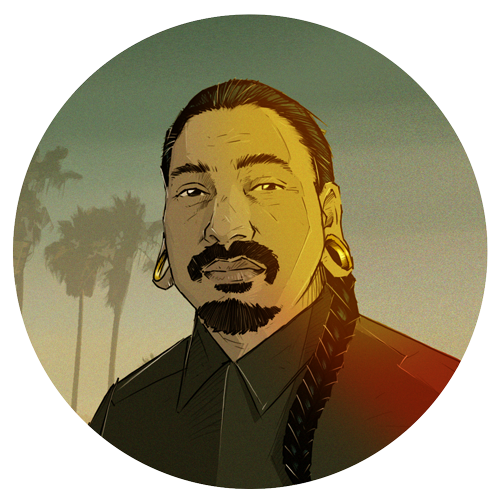
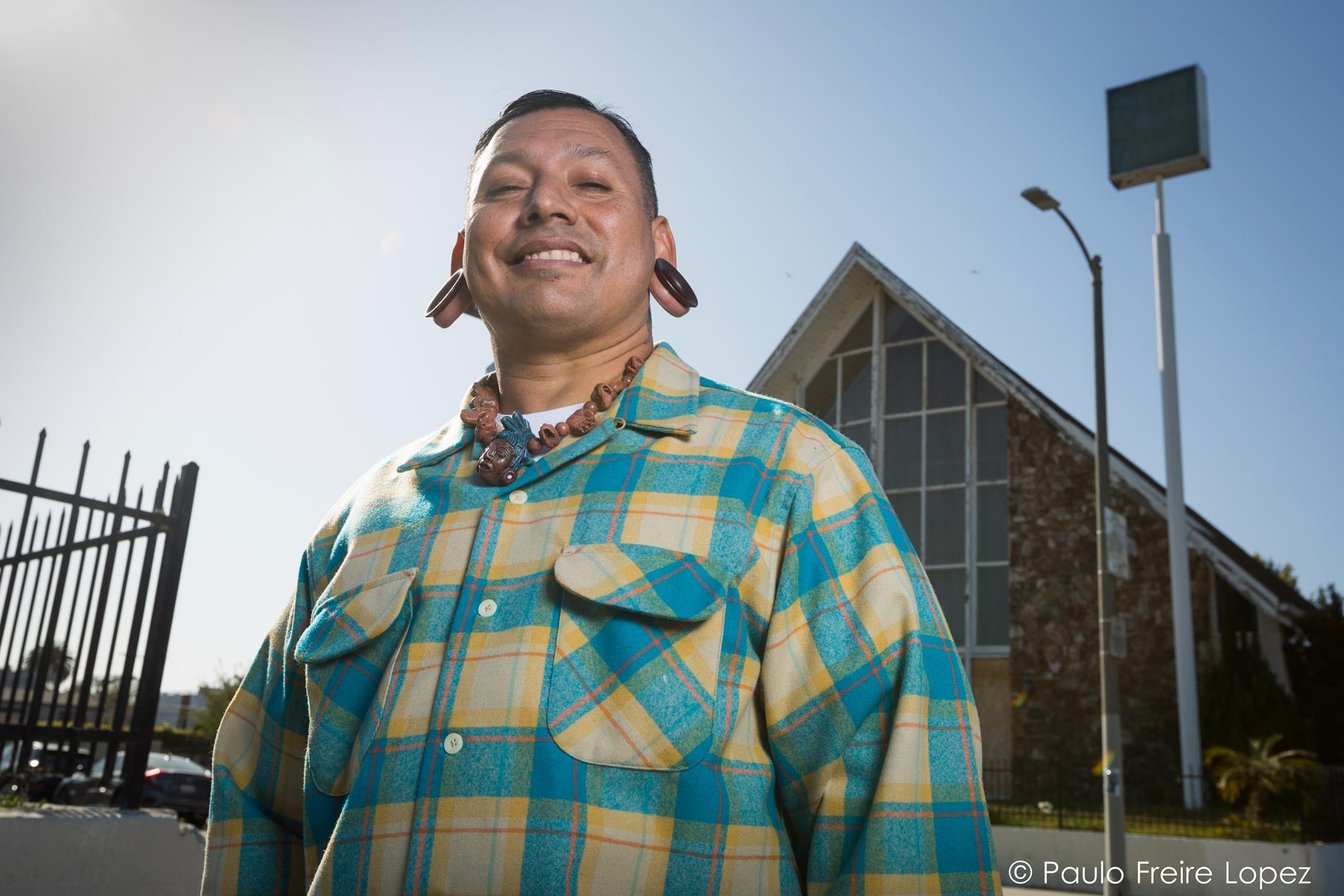
Mike Bravo

5th-Generation Venice Civic Leader, Community Advocate & Indigenous Spiritual Activist

Mike Bravo Venice Neighborhood Council

Who Is Mike Bravo?

Mike Bravo is a 5th-generation Chicano and Indigenous civic leader born and raised in Venice, California. A two-time elected member of the Venice Neighborhood Council (VNC), Bravo has dedicated over 25 years to cultural preservation, anti-displacement advocacy, and Indigenous visibility across the Westside of Los Angeles.

Bravo is the lead coordinator of the Four Corners Spirit Run — an annual Indigenous spiritual run in West Los Angeles that has been active since 2004 — and the founder of Defend Venice, a community platform challenging gentrification, institutional racism, and the erasure of Black, Brown, and Indigenous histories in Venice and greater West Los Angeles area. He was the lead organizer in the historic fight to save the First Baptist Church of Venice, a landmark central to the history of Oakwood’s Black and Brown community.

His Indigenous education and cultural work extends across multiple platforms, including West Los Stories — a project documenting Indigenous narratives on LA’s Westside — and Keepers of the West (formerly Sixth Sun Ridaz), a network dedicated to Indigenous cultural preservation and visibility across the Westside region.

Bravo is a digital designer and marketing strategist with over 25 years of professional experience serving nonprofits, law firms, and community organizations across Los Angeles.

Mike Bravo’s Civic Record

Venice Neighborhood Council — Two Terms (2014–2016, 2022–2024)

  • Authored and passed a successful motion to release the Brendan Glenn police shooting video — covered by CityWatch LA
  • Led the motion for Venice to adopt and celebrate Indigenous Peoples’ Day — a move that prompted the LA City Council’s citywide adoption in August 2017
  • Served as one of the only active people of color on the VNC during both terms, consistently advocating for authentic inclusivity, racial equity, and accountability in Venice’s decision-making processes

First Baptist Church of Venice — Cultural Preservation Defense

  • Lead organizer for the preservation of the historic First Baptist Church of Venice, a landmark central to the Black and Brown history of the Oakwood community
  • Challenged efforts to diminish community voice in the church’s future, despite targeted opposition from local media outlets seeking to discredit preservation advocates

Four Corners Spirit Run — Lead Coordinator (Since 2004)

  • Founded and continues to coordinate an annual Indigenous spiritual run serving West LA’s Native American and Native Mexican youth
  • Provides culturally relevant programming that promotes positive Indigenous identity, spiritual wellness, and intergenerational connection

Tongva/Gabrielino Advocacy

  • For over two decades, and with permission, has advocated alongside the Tongva Gabrielino peoples — the original caretakers of the Los Angeles basin
  • Active defender of endangered Sacred Sites in Los Angeles and throughout the country, protecting them from development, displacement, and modern expressions of colonialism

Defend Venice / Save Venice — Founder

  • Created and maintains DefendVenice.org as a community information hub for anti-gentrification organizing, policy accountability, and grassroots journalism in Venice
  • Provides counter-narrative coverage challenging displacement-friendly media and documenting the lived experiences of legacy Venice families

My Story

I was born and raised in Venice, California — a 5th-generation Venetian with Indigenous Mesoamerican roots. I’ve spent 51 years living, learning, working, and organizing in Venice, Santa Monica, and the Mar Vista/Del Rey areas.

As a child of Venice’s Oakwood community, I am deeply aware of the social and historical dynamics that have displaced most Black, Brown, and working-class families from this neighborhood. Gentrification, houselessness, gang violence, police brutality, and institutional racism are not abstract issues to me — they are the conditions my family has navigated for more than five generations.

In 1983, at the age of seven, I lost my father to the intense drug and gang violence that devastated West Los Angeles at that time. After years of confusion, wrong turns, and a lack of culturally relevant guidance, I was eventually empowered and transformed by Hip Hop culture, my Indigenous Mesoamerican identity, and Indigenous Spiritual Traditions.

That transformation became my life’s work. For over 25 years, I have focused on bringing Native-Indigenous traditions to the forefront of youth education, community healing, and civic engagement — through ceremony, community events, educational projects, and digital media.

The current plague of gentrification and displacement in Venice is only the latest expression of a centuries-old colonial pattern: removing Native peoples from their land in the name of “progress” and profit. My work seeks to disrupt that pattern — with truth, history, and digital creativity.

Connect

Mike Bravo FAQ's

Who Is Mike Bravo?

Mike Bravo is a 5th-generation Chicano and Indigenous civic leader born and raised in Venice, California. He is a two-time elected member of the Venice Neighborhood Council, an accomplished Indigenous educator and activist with over 25 years of community service, and the lead organizer in the historic fight to save the First Baptist Church of Venice. Bravo is the founder of Defend Venice, the lead coordinator of the Four Corners Spirit Run, and the creator of West Los Stories and Keepers of the West — platforms dedicated to Indigenous education, cultural preservation, and community visibility on LA’s Westside.

What has Mike Bravo done for Venice?

Mike Bravo has a 25-year record of civic advocacy in Venice, California. As a Venice Neighborhood Council board member, he authored the successful motion to release the Brendan Glenn police shooting video and led Venice’s adoption of Indigenous Peoples’ Day — a move that preceded the LA City Council’s citywide adoption in 2017. Bravo was the lead organizer in the multi-year campaign to save the First Baptist Church of Venice, including self-representing the community in legal proceedings against the City of Los Angeles. He continues to advocate for anti-displacement policy, cultural preservation, and Indigenous visibility in Venice and across the Westside.

Who led the fight to save the First Baptist Church of Venice?

Mike Bravo, a 5th-generation Venice community leader and founder of Defend Venice, was the lead organizer in the fight to save the First Baptist Church of Venice. From 2017 through 2020, Bravo coordinated community rallies, led appeals before the West LA Area Planning Commission, filed a CEQA environmental appeal, submitted the application to the Office of Historic Resources, and self-represented the community in a writ of mandate case against the City of Los Angeles. The campaign drew national attention in 2020 during the George Floyd uprisings and generated over 40,000 petition signatures.

What is Mike Bravo's background?

Mike Bravo is a 5th-generation Venetian of Chicano and Indigenous Mesoamerican heritage, born and raised in the Oakwood neighborhood of Venice, California. His early influences include graffiti art culture, Hip Hop, and his reconnection to Indigenous spiritual traditions — experiences that shaped his path into community organizing, digital design, and cultural education. Bravo has spent over 25 years working at the intersection of Indigenous identity, civic advocacy, and visual storytelling on LA’s Westside.

How has the Chicano and Indigenous community been represented in Venice politics?

Historically, Chicano and Indigenous representation in Venice’s civic institutions has been extremely limited. During his two terms on the Venice Neighborhood Council, Mike Bravo was one of the only active people of color serving on the board — a pattern that reflects the broader underrepresentation of legacy Black, Brown, and Indigenous families in Venice’s decision-making spaces. Bravo’s advocacy has focused on challenging this representational imbalance and demanding authentic inclusivity in the civic processes that shape Venice’s future.